Snap-In Lessons for Real-World Soft Skills

Welcome! Today we dive into Plug-and-Play Soft Skills Lesson Blueprints, crafted for trainers, teachers, and team leads who need fast, flexible sessions that actually change behavior. Expect modular sequences, clear outcomes, flexible timing, and practical activities you can deploy instantly. Share which blueprint you plan to teach first, subscribe for new releases, and tell us what contexts you’re working in so we can adapt examples and resources for your learners.

Start Fast, Teach Deep: The Logic Behind Modular Soft Skills Blueprints

These blueprints combine outcome-first design with stackable activities, ensuring every minute pushes toward observable behavior change. You can scale sessions from ten-minute micro-lessons to ninety-minute workshops without losing intent. Employers consistently prize communication, collaboration, and adaptability, so these structures map directly to real workplace expectations. Comment with your audience details, and we’ll suggest pacing modifications, scaffolds for novice learners, and stretch activities for experienced professionals.

Active Listening That Sticks

Active listening often sounds simple until real pressure arrives. This blueprint uses micro-pauses, paraphrasing ladders, and signaling phrases to make attentive behavior visible, trainable, and repeatable. It fits one-on-ones, coaching sessions, and team standups. You’ll guide learners from rushed replies to deliberate understanding, improving relationships and decisions. Post a quick scenario you plan to teach, and we’ll propose practice prompts that match difficulty and domain.

Conflict to Collaboration

Disagreement can clarify thinking or damage trust. This blueprint reframes conflict as an information-gathering opportunity, using structured turns, shared problem frames, and option testing. Learners practice de-escalation and interest-finding without losing candor. The format supports managers, cross-functional teams, and peer contributors. Tell us the conflict patterns you see—timeline crunches, resource disputes, or style clashes—and we’ll suggest scenario seeds that resonate.

Feedback People Welcome

Constructive feedback is a lever for growth when it is specific, timely, and humane. This blueprint trains noticing, framing, and co-planning next steps. You’ll model psychological safety while keeping standards high. Learners practice feedforward language, calibrate examples, and build feedback rituals. Share your team’s current habits, and we’ll propose cadence tweaks and micro-templates that lower anxiety and increase uptake.

From Vague to Useful

Participants transform vague judgments into observable descriptions tied to outcomes. They practice the move from evaluation to evidence, then to impact and invitation. With short before-and-after examples, the difference becomes unmistakable. Post an anonymized statement you struggle with, and we’ll help rewrite it into clear, actionable language that preserves dignity while enabling real improvement.

Safe, Not Soft

Psychological safety does not mean avoiding standards. Learners rehearse tone, pacing, and consent questions that allow hard truths to land without humiliation. They set mutual expectations for bidirectional feedback. Comment with your cultural context and power dynamics, and we’ll tailor role-play frames that make candor sustainable even when hierarchies and deadlines add tension.

Rituals That Stick

Small, predictable structures—weekly wins, monthly calibration, and quarterly retros—keep feedback from surfacing only during crises. Learners design a ritual map they can own together. This raises consistency and trust. Share your meeting cadence and tooling preferences, and we’ll suggest lightweight integrations that turn good intentions into repeatable habits aligned with your team’s rhythm.

Remote Collaboration That Feels Close

Distributed teams succeed when clarity, rhythm, and human connection take priority. This blueprint blends asynchronous clarity with purposeful live time, so people know where to find information and how to move work forward together. You’ll help learners design agreements, choose channels wisely, and run inclusive meetings. Describe your time zones and tools, and we’ll customize practices for your ecosystem.

Asynchronous First

Learners create a shared documentation spine where decisions, drafts, and next steps live. They practice writing crisp updates and tagging stakeholders thoughtfully. This reduces meeting overload and boosts transparency. Tell us what platforms you use, and we’ll share scaffolded update templates that nudge concise, respectful communication without sacrificing necessary nuance or context for readers.

Moments That Matter Live

Use live sessions for alignment, conflict navigation, complex brainstorming, and bonding. Learners craft agendas with purpose statements, time boxes, and facilitation roles. They rehearse inclusive techniques that bring quiet voices forward. Share a recent meeting that felt flat, and we’ll propose an agenda redesign and participation moves that convert airtime into real progress.

Emotional Intelligence in Action

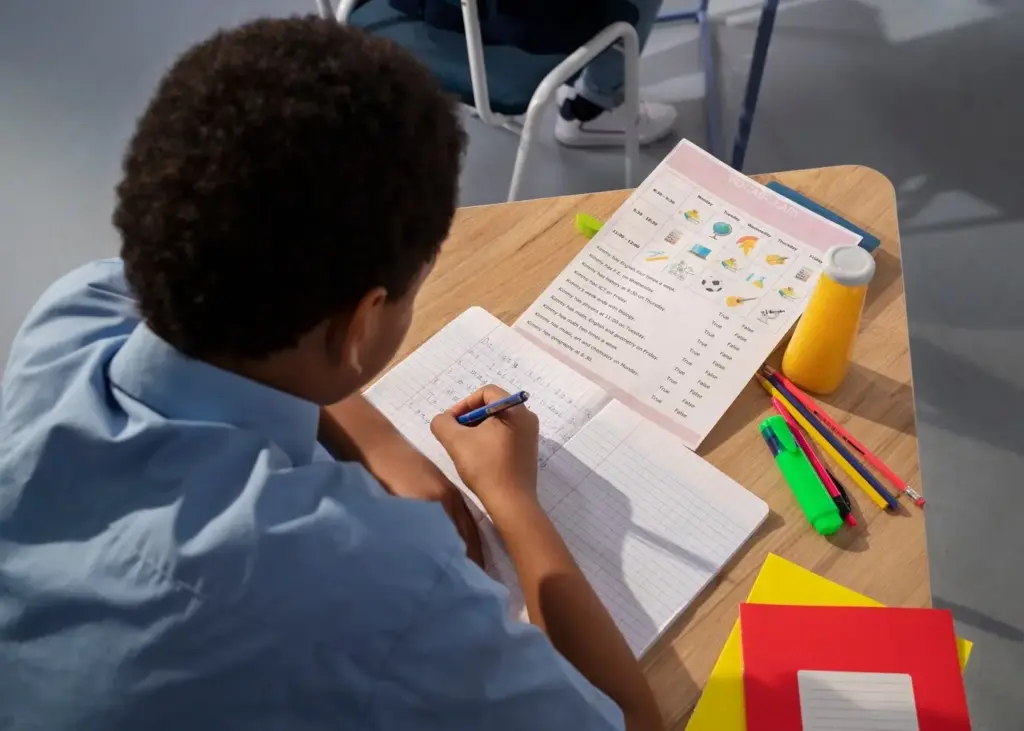
Emotional intelligence is not a personality contest; it is skilled attention to signals that shape choices. This blueprint trains labeling emotions, regulating responses, and reading context. Participants practice pause techniques and perspective-taking that reduce errors under stress. Share situations where emotions spike in your environment, and we’ll provide scenario cards aligned with the pressures your learners actually face.

Adapting Blueprints Across Audiences

Vopuvapifikepefava
Privacy Overview

This website uses cookies so that we can provide you with the best user experience possible. Cookie information is stored in your browser and performs functions such as recognising you when you return to our website and helping our team to understand which sections of the website you find most interesting and useful.