
Growing Soft Skills Through Mini-Units Across Math, Science, and ELA


A Practical Blueprint for Coherent Mini-Units

Communication That Moves Ideas Forward
Math talk that uncovers reasoning
Use structured routines like Notice–Wonder and Three Reads to surface reasoning before calculation. Sentence stems lower the barrier to entry, while turn-and-talks ensure every learner participates. Record exemplar phrases on an anchor chart, encouraging students to borrow precise language during explanations.
Scientific claims, evidence, and reasoning that persuade
Adopt CER to transform lab notes into coherent arguments. Model how to link data trends to claims without overreach. Encourage students to anticipate counterarguments, then strengthen reasoning with additional trials or sources. Showcase concise posters that emphasize clarity, reliability, and ethical reporting practices.
ELA writing that builds bridges across disciplines
Guide students to write for real purposes: explain a model, propose a solution, or reflect on a design choice. Teach audience-aware openings, varied sentence structures, and discipline-specific vocabulary. Peer editing circles focus on clarity first, then style, helping ideas shine without distraction.
Collaboration Structures That Actually Work
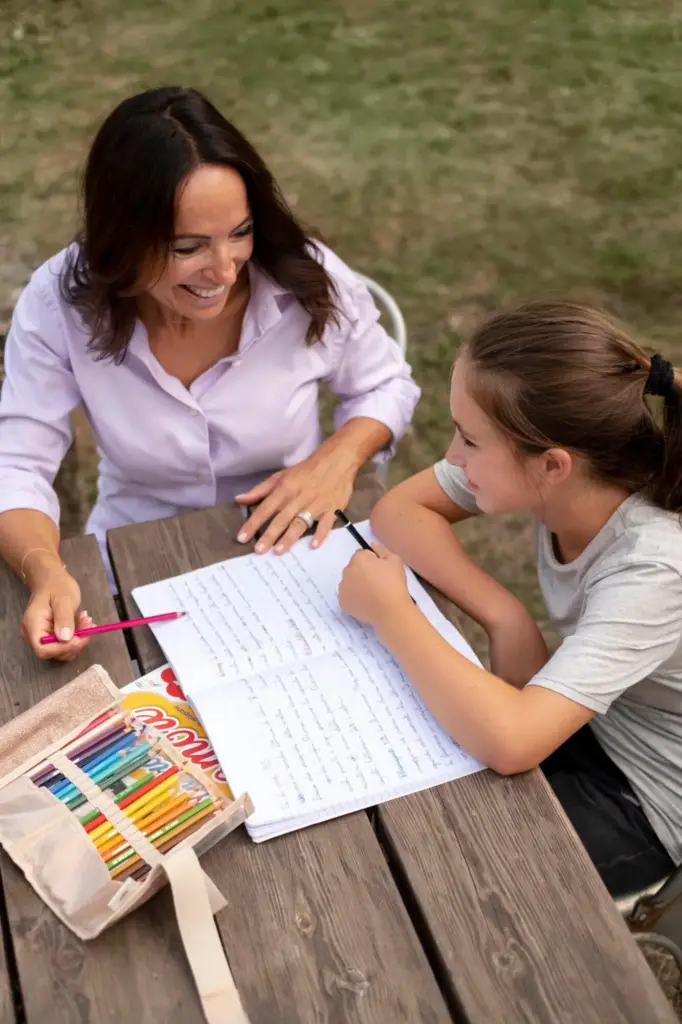
Clear roles and rotations for balanced voice
Protocols that keep teams focused

Peer feedback with kind, specific, helpful language
Inquiry, Modeling, and Problem Solving
Real-world math modeling sprint
Present a messy situation, like planning equitable seating for a community event. Students define variables, test assumptions, and choose representations that communicate fairness. Short reflection prompts connect mathematical precision with ethical considerations, highlighting how reasoned decisions depend on clear models and transparent tradeoffs.
Investigation cycle in the science lab
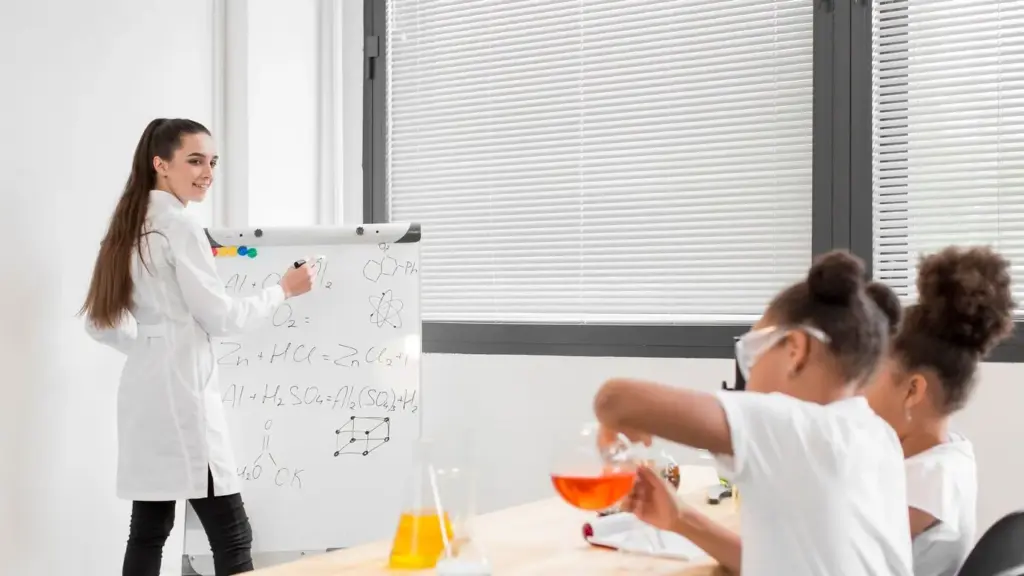
Use a question students genuinely wonder about, then co-create procedures emphasizing safety and reliability. Emphasize replication and data quality, not just results. When teams compare findings, they practice respectful critique, discovering how divergent outcomes refine hypotheses instead of undermining confidence or curiosity.
Synthesis research in ELA seminars
Guide students to interrogate multiple sources, evaluate credibility, and reconcile conflicting perspectives. Discussion rounds require citing evidence succinctly and acknowledging uncertainty. A concluding memo distills insights for a defined audience, connecting inquiry habits to responsible communication beyond the classroom’s protective walls.
Creativity, Adaptability, and Student Choice

Assessment for Growth and Authentic Celebration
All Rights Reserved.