Measuring the Moments That Make Learners Thrive

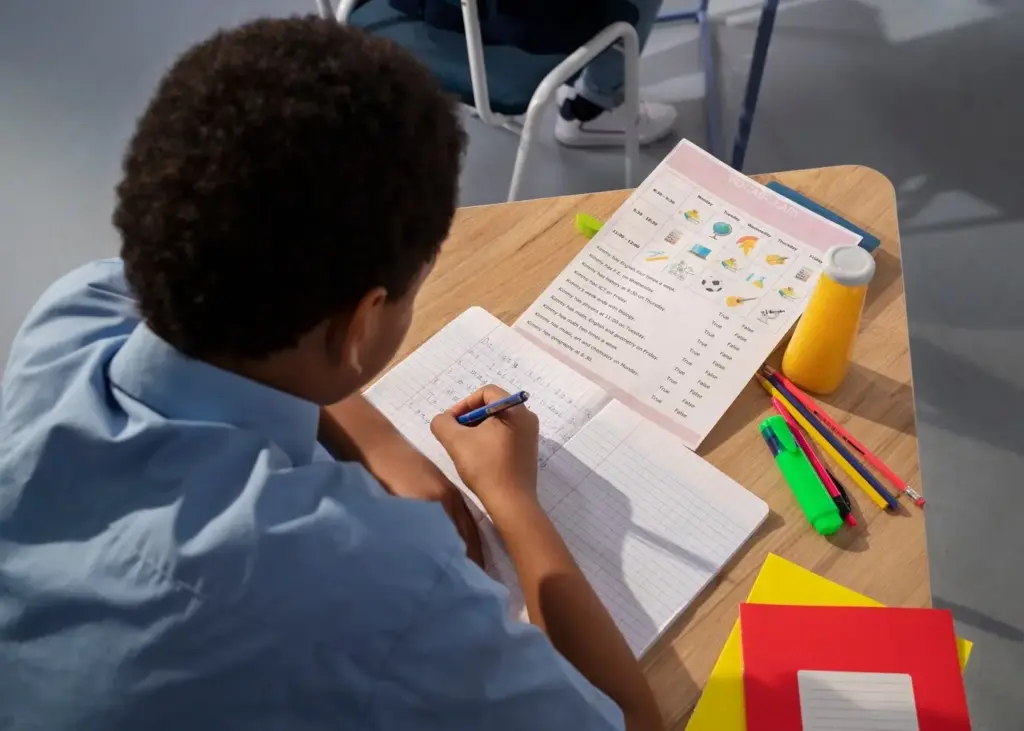
Today we dive into Soft Skills Lesson Assessment Packs: Rubrics, Exit Tickets, and Quick Checks. Expect practical, classroom-tested ways to notice collaboration, communication, empathy, and resilience without drowning in paperwork. You’ll gather clear evidence, empower student reflection, and turn tiny routines into big growth. Join in, try the templates, share what works in your context, and subscribe to keep receiving fresh strategies that honor student voice and everyday progress.

Clarity Before Scores: Defining Behaviors

{{SECTION_SUBTITLE}}

From Values to Verbs

Translate big ideals into actions students can practice today. For active listening, name behaviors like paraphrasing a partner’s idea, asking clarifying questions, and building on contributions. Verbs guide practice, support feedback, and keep conversations concrete, respectful, and authentically learnable within every subject area.

Observable, Measurable, Respectful

Write descriptors anyone could see or hear without guessing at intentions. Replace “shows leadership” with “allocates roles, checks for agreement, and documents decisions.” Honor culture and language differences by validating varied communication styles. Clarity protects dignity, reduces bias, and strengthens reliability across classes, substitutes, and collaborative teams.

Rubrics That Capture Growth, Not Perfection

Choose formats that foreground progress and descriptive evidence. Single-point rubrics keep the focus on a clear standard while inviting strengths and next steps. Progressions describe movement from emerging to extending without labels that shame. Student-friendly language and tiny evidence boxes make collecting notes fast, fair, and instructionally useful.

Exit Tickets That Spark Reflection

End-of-lesson check-ins invite students to pause, name what worked, and plan what’s next. Keep prompts aligned to a single skill to avoid cognitive overload. Offer sentence starters, sliding scales, and quick reflections that gather insights, surface emotions, and inform the first five minutes of tomorrow’s lesson.

Quick Checks That Fit Real Class Time

Mid-lesson pulses reveal how collaboration, empathy, and focus are unfolding without stopping momentum. Use checklists, hand signals, digital polls, or partner ratings to gather just-enough evidence. These snapshots guide grouping, scaffolds, and timing decisions so instruction stays responsive while the learning energy remains alive and shared.

Group Dynamics Transformed

In a ninth-grade science inquiry, one group stalled as two voices dominated. A quick rubric reminded everyone to invite, paraphrase, and rotate roles. Exit tickets revealed shifting participation. Within a week, quieter students initiated questions, and the final lab defense featured balanced contributions and proud, collective ownership.

Feedback That Students Trust

During literature circles, a teacher captured micro-evidence with timestamps and quotes, then returned notebooks during conferences. Because evidence matched descriptors students helped write, trust deepened. Learners requested specific practice goals, and the next cycle’s quick checks showed stronger listening, more equitable airtime, and noticeably kinder disagreements that stayed productive.

Small Changes, Big Wins

An advisory class adopted a one-minute closing routine: name a contribution, thank a peer, set a micro-goal. Attendance improved, hallway conflicts declined, and parent emails sounded hopeful. The routine stuck because it took little time, honored voices, and produced evidence that guided Friday celebrations and supports.

Turning Notes into Feedback, Goals, and Growth

Assessment only matters if it changes experience. Convert observations into timely, kind feedback and co-authored goals. Protect dignity by praising publicly and coaching privately. Use brief conferences, reflection frames, and dashboards that highlight trends so learners steer their improvement journeys with courage, clarity, and real responsibility.
Try the plus-delta-next model: name one strength tied to evidence, one tweak framed as strategy, and one next step students choose. This keeps agency central and prevents overwhelm. Written in student language, it doubles as progress documentation and a springboard for tomorrow’s practice.
Use short cycles: choose a focus, practice, collect evidence, reflect, and reset. Students chart progress with simple visuals and self-assess alongside your notes. Ownership grows because goals are visible, specific, and revisited frequently enough to feel alive, not archived in a forgotten binder.
Share the why and the how through newsletters, translated templates, and student-led updates. Invite families to notice the same behaviors at home, then bring examples back. This partnership strengthens consistency, honors community wisdom, and helps learners practice empathy, communication, and responsibility across contexts that matter most.
Vopuvapifikepefava
Privacy Overview

This website uses cookies so that we can provide you with the best user experience possible. Cookie information is stored in your browser and performs functions such as recognising you when you return to our website and helping our team to understand which sections of the website you find most interesting and useful.