Bring Soft Skills to Life Through Projects, Step by Step
Today we focus on project-based soft skills units with step-by-step facilitation guides that transform abstract virtues into daily habits. You will get clear structures for communication, collaboration, empathy, and resilience, anchored in authentic tasks, reflective routines, and supportive coaching. Expect practical checklists, sample protocols, and stories from real classrooms where quiet students found their voice, energetic teams learned to listen, and deadlines became opportunities for planning mastery. Stay to the end for ready-to-run ideas and community prompts.

Authentic challenges, real behaviors
Soft skills become visible when stakes feel real. A community partner waiting for results, a live presentation, or a peer relying on you makes accountability tangible. Learners navigate ambiguity, ask for help, and practice respectful disagreement because action must continue, not stall, under pressure.
From talk to tangible outcomes
Discussion fosters ideas, yet deliverables reveal habits. Drafting a plan, running interviews, or building a prototype exposes listening, time management, and initiative. Students confront the calendar, translate feedback into revisions, and notice how small promises, kept consistently, transform group trust and momentum.



Designing Units That Flow
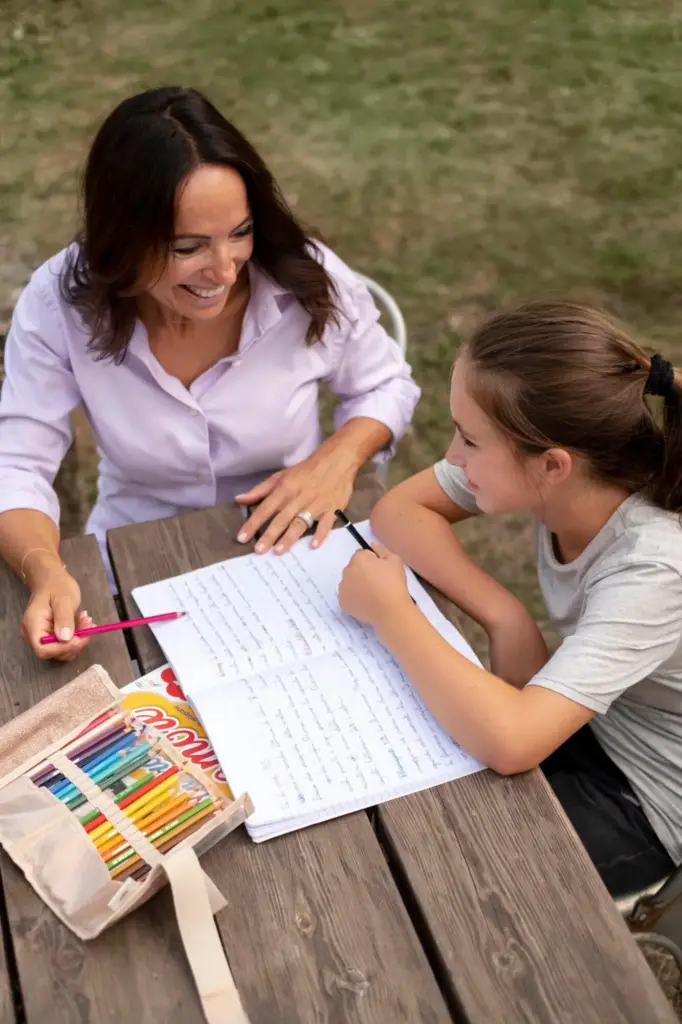
Start with the behaviors you want to see, then build backward to products, milestones, and supports. Balance structure and autonomy: clear roles, timelines, and checklists alongside choice, voice, and authentic audiences. Plan for reflection, feedback, and celebration. Use progress dashboards, meeting protocols, and accessible templates to guide without stifling creativity. Ensure equity by anticipating barriers and offering multiple ways to participate, demonstrate learning, and contribute meaningfully before, during, and after each deliverable.
Step-by-Step Facilitation in Action
Facilitators orchestrate rhythm and safety so learners can stretch without breaking. Use concise pre-briefs to set purpose, norms, and success criteria. During work time, circulate with probing questions, micro-lessons, and timely protocols that unblock collaboration. Close with debriefs that translate experience into transferable habits. A teacher I shadowed, Maya, used a five-minute check-in circle each morning; productivity soared because students felt seen, expectations were aligned, and obstacles surfaced before they derailed progress.
Assessment That Feels Fair
Assessment should guide growth, not shut it down. Involve learners in setting criteria, collecting evidence, and interpreting progress. Blend self, peer, and facilitator perspectives to minimize bias and increase agency. Replace vague judgments with observable behaviors and concrete examples. Short cycles of feedback reduce defensiveness and transform assessment into a shared investigation, where everyone is responsible for improvement and celebration. Portfolios and conferences make progress visible to families and community partners, strengthening purpose.
Adapting for Diverse Learners
Great facilitation honors difference. Use universal design strategies—multiple means of engagement, representation, and action—to remove barriers before they appear. Offer language supports, visual organizers, and audio options. Calibrate complexity without diluting dignity; learners can choose accessible entry points while aspiring to ambitious outcomes. Normalize assistive tools and flexible timelines negotiated transparently. Establish routines for peer support so expertise circulates, and foster psychological safety where mistakes are treated as data rather than defects.

Access without lowering expectations
Chunk tasks, preview vocabulary, and provide models, then keep targets high. Offer choices in artifact formats—slides, posters, podcasts, briefs—so strengths shine. Pair scaffolds with gradual release, ensuring learners internalize strategies instead of depending indefinitely, building autonomy and pride as projects grow in complexity.
Language and culture aware scaffolds
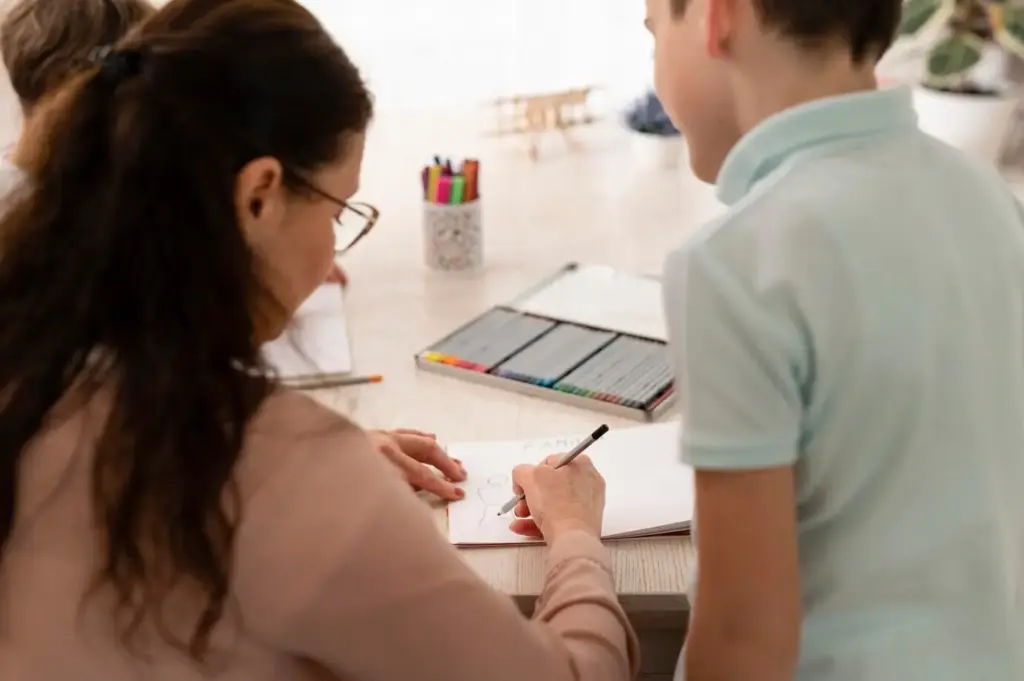
Honor multilingual assets by allowing brainstorming in home languages and translating key terms collaboratively. Use sentence frames for feedback and negotiation. Invite community stories that validate identity and expand perspectives, strengthening empathy while improving the precision and courage of everyday communication within teams and with audiences.

Psychological safety in critique
Growth requires candor without harm. Model warm, specific, and actionable feedback. Use protocols that separate ideas from people and include opt-in drafting time before public sharing. Celebrate revisions as success, not failure, so learners risk creativity, defend reasoning, and welcome peer insights with gratitude.
Projects You Can Run This Month
Choose one ready-to-adapt project, gather a partner or two, and set a realistic timeline. Each idea includes a purpose, deliverables, and facilitation moves you can implement tomorrow. Share your experience in the comments or send a short reflection; we will feature selected stories to amplify great work and help others learn alongside you. Start small, iterate, and let relationships, evidence, and joy guide expansion across classrooms, programs, or teams.
Community Welcome Kit
Students collaborate with a local organization to create a newcomer welcome kit. Deliverables include an interview summary, prototype pack, and a three-minute pitch. Soft skills: interviewing, empathy, and role negotiation. Facilitation: pre-brief with user stories, consent scripts, gallery-walk critique, and debrief emphasizing listening impact.
Campus Wayfinding Audit
Teams assess signage and navigation on campus or in the neighborhood, producing a concise report and annotated map. Soft skills: observation, data discussion, and consensus. Facilitation: checklist for evidence gathering, roles rotation, short stand-ups, and stakeholder feedback session with clear norms, timeboxes, and respectful challenge practices.
All Rights Reserved.